AI Interior Design vs Hiring a Designer: Is $8,550 Worth It?
AI interior design vs a human interior designer: real 2026 costs, timelines and results compared, plus when each one is worth it and how to use both together.
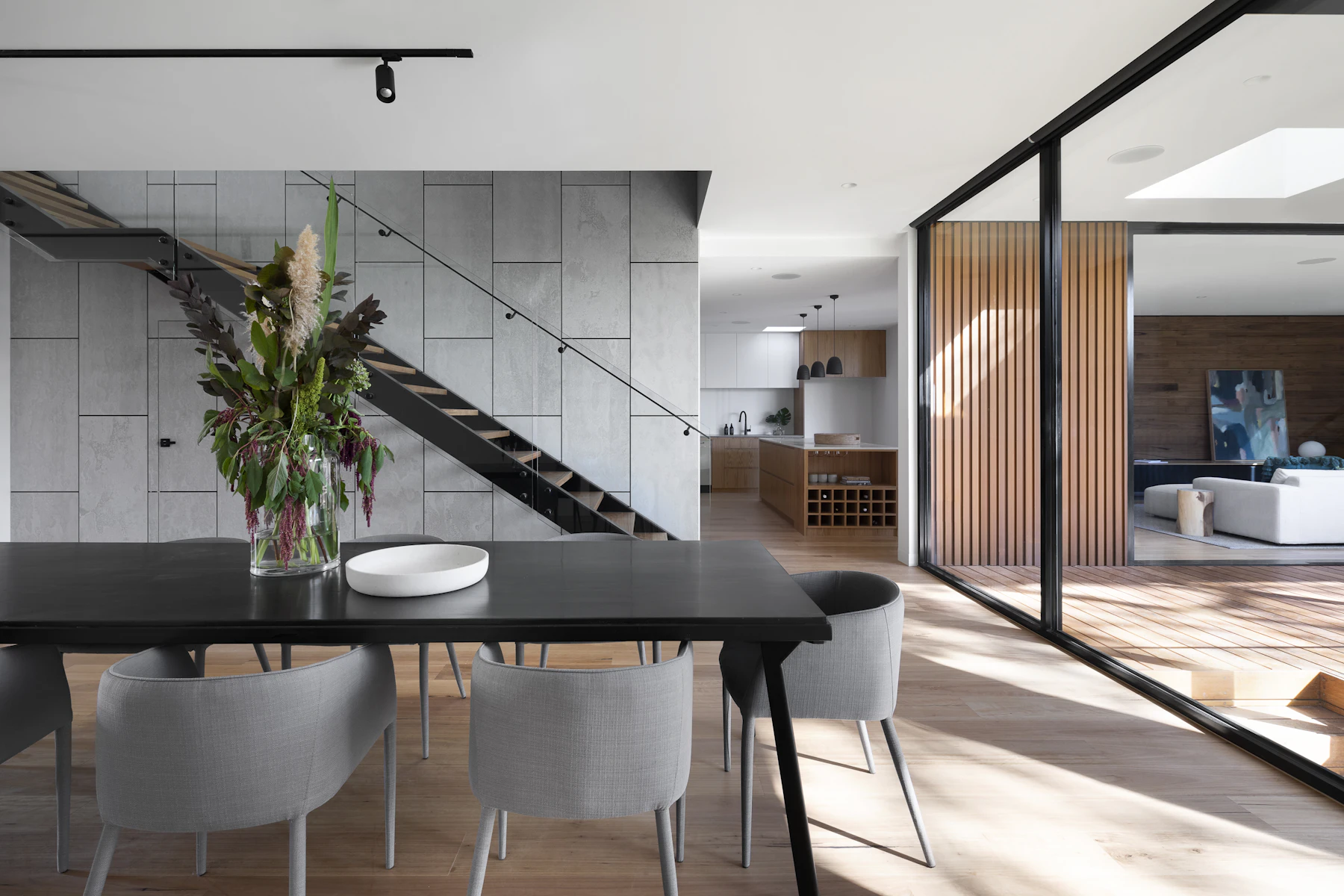
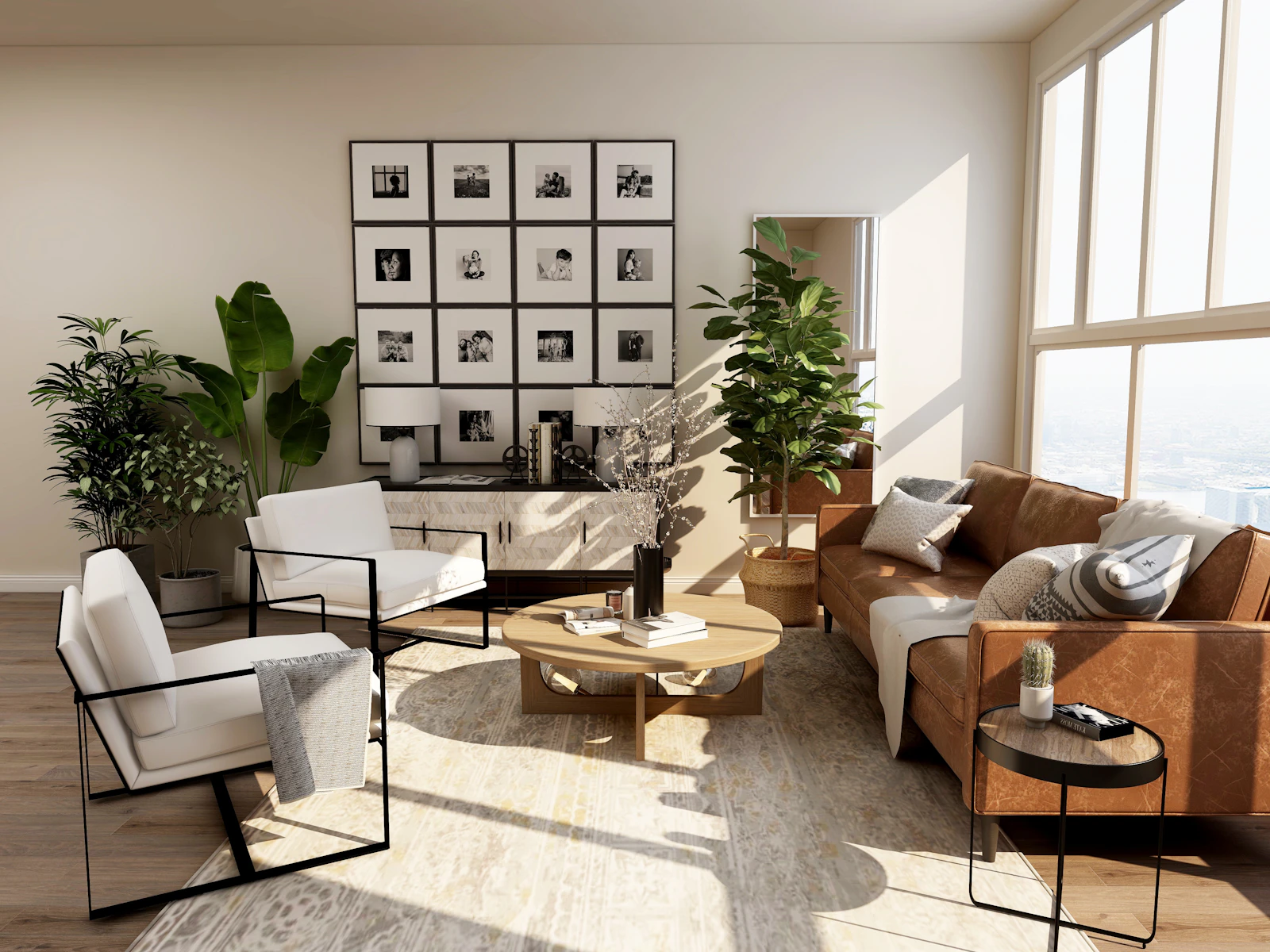
A good interior designer is worth every dollar on the right project. The problem is that most people only want to know one thing first: what would this room look like if it were done properly? Paying for hours of design time to answer that question is expensive. AI now answers it in about a minute.
I’m Daniel Htut, CEO of BasedFrame. We make an AI interior design tool, so I’m biased toward AI. I’m also clear about where it falls short, and this guide says so. Every cost figure below comes from a published source, linked inline and listed at the end.
The short answer
Use AI to explore ideas, compare styles and make decisions on your own photos. Hire a designer when the job involves construction, a large budget, or work you need someone to manage on site. For most people, the best result comes from using both, in that order.
What a human interior designer actually costs
Designers price their work in several ways, which is why quotes are hard to compare. Here is what current cost guides report:
- Average project: Angi puts the 2026 national average cost of hiring an interior designer at $8,550, based on 2,938 verified projects, with most homeowners paying between $2,055 and $15,256.
- Hourly rates: Angi reports $100 to $500 an hour depending on experience and location. Havenly says traditional designers usually charge $150 to $300 an hour.
- Per room: HomeGuide estimates $450 to $1,500 per room for design only. Havenly estimates $5,000 to $20,000 or more in design fees per room with a traditional full-service designer, before any furniture.
- Percentage of the project: For larger renovations, Angi and HomeGuide both report fees of roughly 10% to 30% of the project cost.
- Visuals: Angi says mood boards, 3D renderings and detailed floor plans can add $500 to $3,000, and initial consultations run $200 to $800.
That last point matters for this comparison. A good chunk of what you pay a designer for at the start of a project is visualization: mood boards and renderings that show you the plan before you commit. That is exactly the part AI has gotten good at.
What a designer does that AI cannot
The US Bureau of Labor Statistics describes the job as far more than picking a sofa. Interior designers determine space requirements, sketch plans that include electrical and partition layouts, specify materials and fixtures, estimate project costs, place orders, oversee installation and coordinate with contractors. They also need to know building codes, inspection rules and accessibility standards.
The BLS also notes that licensing varies by state. In some states only licensed designers can do interior design work, and in others only licensed designers can use the title “interior designer.” If your project touches walls, wiring or plumbing, that training matters.
No AI image tool measures your room, checks a code, chases a late delivery or tells a contractor the tile was laid wrong. If you need those things, you need a person.
What AI interior design does well
AI tools like BasedFrame work from a photo of your actual room. With Room Redesign, you upload a photo, pick a style, and get back the same room with new furniture, decor and finishes. The walls, windows, doors, ceiling and camera angle stay as photographed, so you are looking at your room, not a stock image of someone else’s.
Where it shines:
- Speed. A render usually finishes in under a minute, so you can try ten styles in the time it takes to book a consultation.
- Cost per idea. A Room Redesign costs 2 credits on BasedFrame. On the Startup plan, $49 a month for 180 credits as listed on our pricing page, that works out to about 90 redesigns a month.
- Specific changes. You don’t have to redo the whole room. Walls & Paint changes only the wall color, Flooring Swap changes only the floor, and Furniture Swap places a real product into your room from its photo, so you can check a sofa before you order it.
- Learning your taste. Many people can’t name their style until they see it. Running the same room in Japandi, Mid-century and Industrial is the quickest way to find out. Our guide to 12 interior design styles explains what defines each one.
Where it falls short: AI images are concepts, not measured drawings. A rendered sofa may look right but be 20 centimeters too long for the real wall. Unusual layouts or very wide-angle photos sometimes need a second render. And AI cannot source items at trade prices or manage a project for you.
AI vs designer vs online design service, side by side
| AI interior design tool | Online design service | Full-service interior designer | |
|---|---|---|---|
| Typical cost | A few credits per render; BasedFrame starts with 30 free credits | $159–$499 flat per room (Havenly) | $8,550 average project (Angi); $100–$500 per hour |
| Time to first concept | About a minute | 3–14 days for a finished plan (Havenly) | 4–52 weeks for a finished plan (Havenly) |
| Works from your real room | Yes, from your photo | Yes, from photos you send | Yes, with site visits |
| Number of ideas you can try | As many as you have credits for | A set number of concepts and revisions | Depends on hours billed |
| Measured floor plans and specs | No | Varies by service | Yes |
| Sourcing and ordering | No | Shopping list included (Havenly) | Yes, often with trade discounts (Angi) |
| Contractor and install management | No | No | Yes |
| Best for | Exploring ideas, deciding on a style, previewing changes, listing photos | Furnishing one room well on a budget | Renovations, whole homes, complex or high-budget projects |
Costs and timelines are taken from each source as published. Your local market can be very different, so get quotes before you decide.
When AI is enough on its own
- You are refreshing, not renovating. New paint, a new rug, a different sofa. AI lets you preview each change on your own photo before you buy.
- You are stuck on a style. Seeing your room in several styles settles the question faster than any mood board.
- You are selling a home. Agents use AI to stage empty rooms and to show buyers what a dated kitchen could become. Our virtual staging guide covers how to do it well and what to disclose.
- You are a designer yourself. AI can turn a client’s photo into an early concept in minutes, before you invest hours in a full 3D model for an idea they may reject.
When you should hire a designer
- The project involves construction: moving walls, new electrical or plumbing, or a kitchen or bath remodel.
- The budget is large. On a project in the tens of thousands, a designer who prevents one expensive mistake can pay for themselves.
- You don’t have time to manage it. Ordering, deliveries, trades and fixing problems on site are a job in themselves.
- You need someone accountable. A licensed designer works to code and stands behind their plan in a way an image cannot.
How to use AI and a designer together
The cheapest way to work with a designer is to arrive knowing what you want. Here is a simple process:
- Photograph each room from a corner at chest height with the lights on.
- Run Room Redesign in three or four styles and save the ones you like.
- Narrow it down with targeted edits. Try a paint color, a floor, or a real sofa you are considering with Furniture Swap.
- Make a one-page brief with your favorite images, your budget and what must stay.
- Book a consultation and hand the designer the brief. They can then spend paid time on layout, sourcing and the details that need an expert.
If you only need help with one room and no construction, step five may never be necessary.
Sources
All figures were checked on October 17, 2026:
- Angi, “How Much Does an Interior Designer Cost? [2026 Data]”: angi.com
- Havenly, “How Much Does Interior Design Cost in 2026?”: havenly.com/interior-design-cost
- HomeGuide, “Interior Designer Costs”: homeguide.com
- US Bureau of Labor Statistics, Occupational Outlook Handbook, Interior Designers: bls.gov
- BasedFrame plan prices and credit costs: basedframe.com/pricing
The bottom line
AI interior design and human designers are not really competing for the same job. AI is the fastest, cheapest way to see what your room could become and decide what you want. A designer turns that decision into a real, measured, built space. If you are not sure which you need, start with AI. It costs almost nothing to find out.
Try BasedFrame free with 30 starting credits, upload a photo of your room, and see it in a new style in about a minute.
Frequently asked questions
Is AI interior design cheaper than hiring an interior designer?
Yes, by a wide margin for concept work. Angi puts the 2026 national average cost of hiring an interior designer at $8,550, while an AI redesign of one room photo costs a few credits. On BasedFrame a Room Redesign costs 2 credits, and new accounts start with 30 free credits. The AI does not replace a designer's project management, sourcing or site visits, so the two are not doing the same job.
Can AI replace an interior designer?
Not for full projects. AI is very good at showing you what a room could look like in a new style, paint color or layout of furniture. It does not measure your space, read building codes, order furniture, manage contractors or fix problems on site, which the US Bureau of Labor Statistics lists as core parts of an interior designer's job.
How accurate are AI room redesigns?
They keep the walls, windows, doors and camera angle of your photo and replace furniture, decor and finishes, so they are a realistic preview of style and mood. Treat them as concepts, not measured plans. Always check real furniture dimensions against a tape measure before you buy.
Should I use AI before hiring a designer?
It is a smart first step. Trying a few styles on your own photos helps you learn what you like before paid hours start. Bringing those images to your first consultation gives the designer a clear brief and can shorten the back-and-forth.
What do online design services like Havenly cost?
Havenly lists a flat fee of $159 to $499 per room on its own cost guide, compared with $5,000 to $20,000 or more in design fees per room for a traditional designer by its estimate. Online services sit between pure AI tools and a full-service local designer.
Is AI interior design good for real estate listings?
Yes. Agents use AI to virtually stage empty rooms and to show buyers what a dated room could become. Many MLSs require you to disclose virtually staged or altered photos, so label them and keep the originals.
Try it yourself
Tools from this guide



More from Resources
Keep reading
GuidesHow to Furnish a Small Apartment with AI Before You Buy a SofaThe average new studio is 460 sq ft. Here's how to photograph your small apartment, test layouts and furniture with AI, and buy pieces that actually fit.→
GuidesBefore You Spend $3,178 on Exterior Paint: 6 Visualizers ComparedColorSnap, Behr, Hover, Hardie Designer, real samples and AI compared: how to preview your house color before a $3,178 exterior paint job.→